
“Pickleball Rules Explained: The Complete Beginner’s Guide”
Pickleball is simple to learn, but it has a few unique rules that make the game fast, fair, and incredibly fun. Whether you’re just starting out or leveling up your play, understanding the basics will help you enjoy the game more and play with confidence. From the kitchen rules to the double-bounce requirement, every part of the game is designed to keep rallies exciting and accessible for all ages. Below is a clear breakdown of the essential rules so you can step on the court knowing exactly how the game works.
Dragonfly
11/7/20252 min read
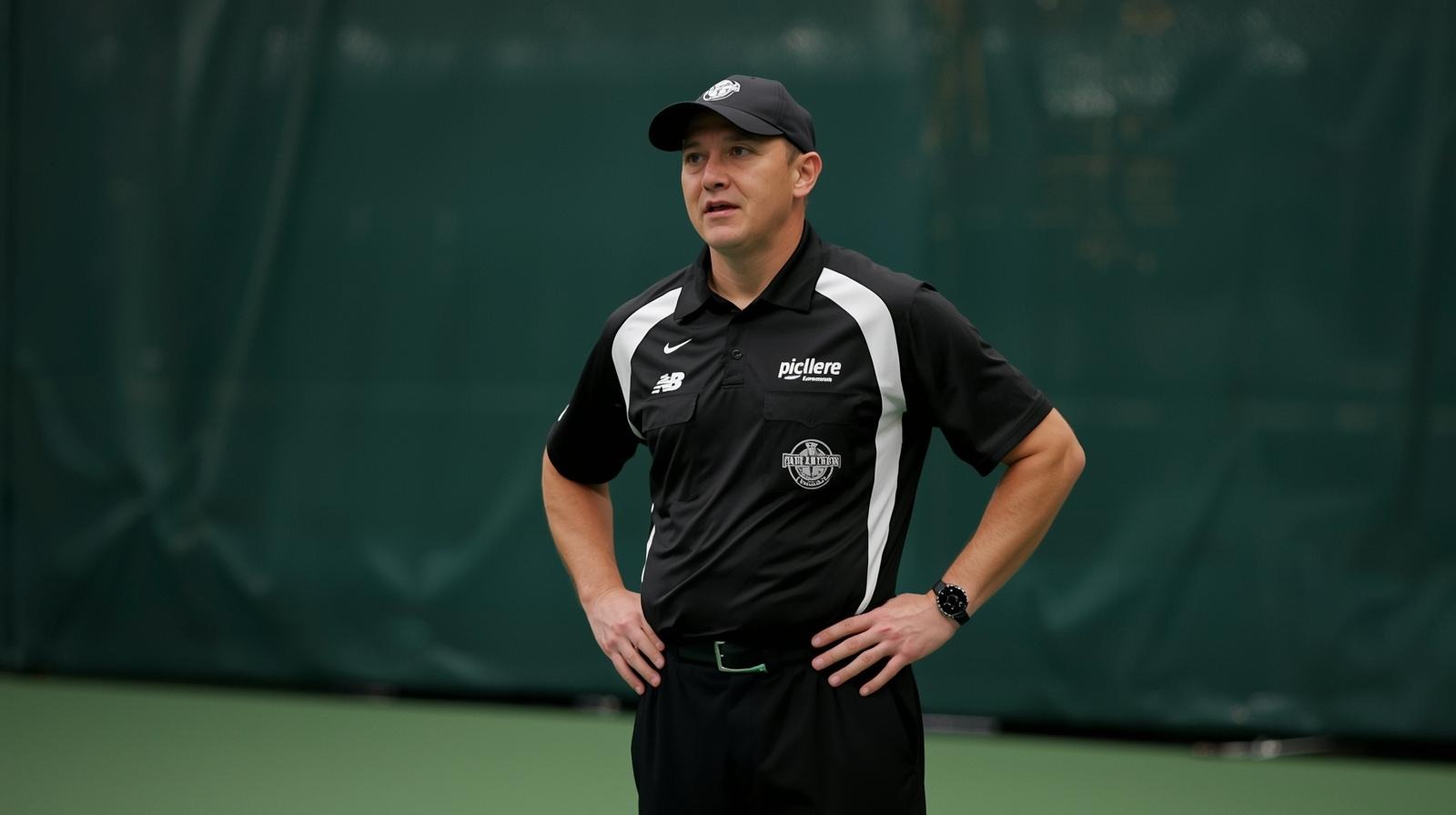

Pickleball Rules (Full Breakdown)
1. Court & Setup
Court size: 20 ft x 44 ft (same for singles and doubles)
Non-volley zone (Kitchen): 7 ft on both sides of the net
Net height: 36 in at sidelines, 34 in at center
2. Serving Rules
Serve must be underhand.
Paddle must contact the ball below the waist.
Serve must be hit with one continuous motion (no bouncing the ball before hitting).
The server must stand behind the baseline.
Serve goes diagonally cross-court.
Serve must clear the kitchen line (if it touches the NVZ line, it’s a fault).
Only one serve attempt is allowed (except if it’s a let, depending on the rule version).
3. Scoring Rules
Only the serving team can score points.
Games are usually played to 11, win by 2.
Some competitive games go to 15 or 21, win by 2.
Score format for doubles: Server score – Receiver score – Server number (1 or 2)
4. Double-Bounce Rule
This is one of the core rules of pickleball:
The serve must bounce once before the receiver hits it.
The return must also bounce once before the serving team can hit it.
After the two bounces, both sides may volley or play off the bounce.
5. Non-Volley Zone (Kitchen) Rules
You cannot volley (hit the ball in the air) while standing in the kitchen.
You cannot step into the kitchen during or after a volley.
Momentum counts — even if your shot lands, and then you fall into the kitchen, it’s a fault.
You can enter the kitchen anytime as long as you don’t volley inside it.
You can hit balls in the kitchen if they bounce first.
6. Faults
A fault ends the rally. Common faults include:
Hitting the ball out of bounds
Hitting the ball into the net
Volleying in the kitchen
The ball not clearing the net
Hitting the ball before it has bounced twice (violates the double-bounce rule)
Serving to the wrong area
Ball bouncing twice before you return it
7. Player Position Rules (Doubles)
Both players on the serving team start at the baseline.
After the double-bounce rule is satisfied, both sides can move anywhere.
The server alternates sides only when their team scores.
The receiving team never switches sides.
8. Line Call Rules
If the ball touches any line except the kitchen line on a serve, it is in.
Kitchen line on serve = fault.
All other times, kitchen line = good, in play.
9. Ball in Play / Dead Ball
Ball stays live until:
It bounces twice
It hits a player
It hits a permanent object
A fault occurs
10. Timeouts
Standard: 2 timeouts per game, each 1 minute
Mastering the rules is just the beginning. Once you understand how the game flows—when to attack, when to reset, and how to control the kitchen—you’re ready for gear that actually keeps up with your growth. That’s where Dragonfly comes in.
You know the rules—now play with gear that gives you a real edge.
Dragonfly paddles deliver power, control, and consistency for players who want to win more rallies and grow fast.
👉 Explore the Dragonfly Paddle Lineup
Unlock your best game today.